How to Create Your First Shopify Store Step‑by‑Step (2024 Complete Guide)
Following our Shopify store tutorial, you’ll learn the complete Shopify store setup guide: planning your niche, picking a theme with proven Shopify store design tips
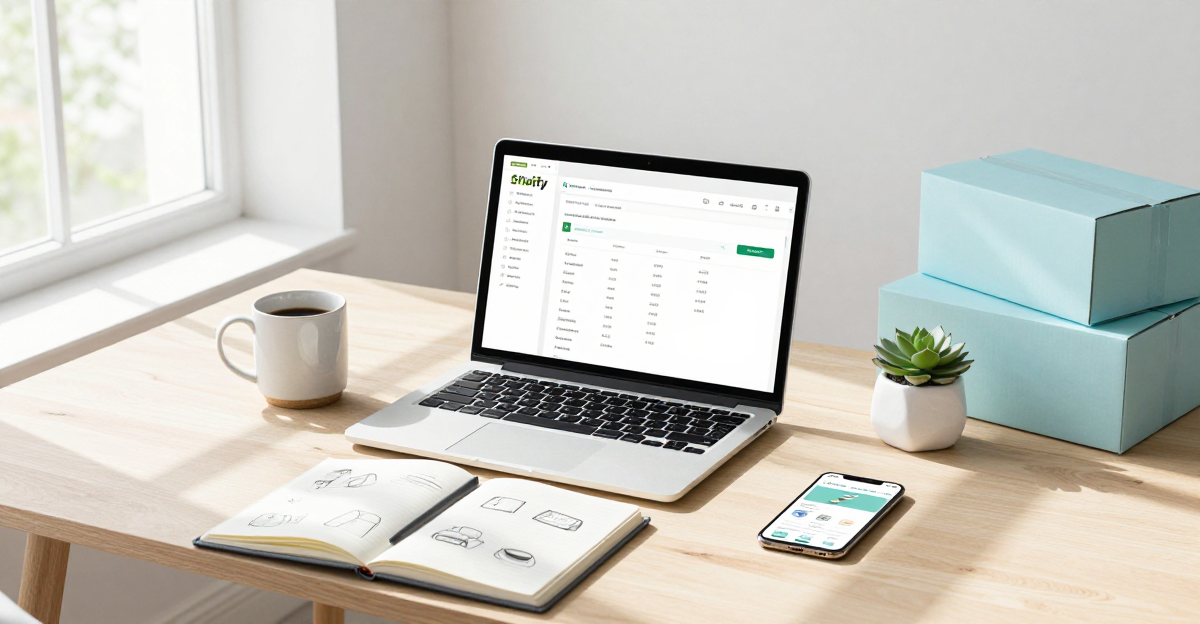
How to Create Your First Shopify Store Step‑by‑Step (2024 Complete Guide)
Whether you’ve been scrolling through the latest #shopify trends or seeing friends brag about their first online sales, the urge to launch your own e‑commerce shop is stronger than ever. In 2024, creating a Shopify store has become one of the most accessible ways to turn a hobby into a revenue stream, and the search term “how to create your first Shopify store step‑by‑step” is exploding across Google and social feeds. This guide walks you through every click, from signing up to hitting the live button, so you can join the wave of new entrepreneurs without getting lost in technical jargon.
Following our Shopify store tutorial, you’ll learn the complete Shopify store setup guide: planning your niche, picking a theme with proven Shopify store design tips, adding products and collections while mastering Shopify SEO basics, and configuring payments, shipping, taxes, and legal pages with a smooth Shopify payment setup. We’ll also cover testing, launching, and post‑launch marketing strategies that every Shopify dropshipping beginner needs. By the end of this step‑by‑step 2024 guide, you’ll be ready to launch Shopify store 2024 with confidence and start driving traffic to your brand.
Why Start a Shopify Store in 2024?
E‑commerce is booming – global online sales will top $6 trillion in 2024, and Shopify powers over 4 million stores, holding about 20% of the hosted‑platform market. This growth gives new entrepreneurs a buyer pool without building a site from scratch.
For a first‑time founder, the low barrier to entry is clear. You can create a Shopify store in under 30 minutes, pick a theme, and add products without coding. Our How to Create Your First Shopify Store Step‑by‑Step guide walks you through sign‑up, domain selection, and payment configuration, making the “how to set up Shopify store step by step 2024” process feel automatic.
Shopify bundles tools that would otherwise need separate subscriptions. Built‑in payment setup, fraud protection, email marketing, inventory tracking and a free‑app marketplace give you everything for a Shopify store tutorial that covers marketing, logistics and analytics in one dashboard.
- Marketing tools: discount codes and abandoned‑cart emails attract traffic without a big ad budget.
- Payments & logistics: accept credit cards, PayPal, and Shopify Payments, calculating taxes and shipping.
- Design flexibility: themes and drag‑and‑drop editors give Shopify store design tips for a professional look.
Success stories abound – a Shopify dropshipping beginner who made $5 K in the first month and a handmade jewelry maker who scaled to six figures using tutorial. Realistic expectations matter: most new stores need time to refine listings, test pricing, and learn Shopify SEO basics before sales. Treat the launch as a sprint, iterate quickly, and you’ll be ready to launch Shopify store 2024 with confidence.
Planning Your Store Before You Click ‘Create’
Before you click “Create” on Shopify, a solid plan saves time, money, and headaches. Follow this Shopify store setup guide as the first step in How to Create Your First Shopify Store Step‑By‑Step, ensuring your Shopify store tutorial leads to a thriving business.
- Choose a niche and validate product ideas. Use tools like Google Trends, Amazon bestseller lists, and social listening to confirm demand. For a Shopify dropshipping beginner, look for products with steady search volume, low competition, and healthy margins. Validate by ordering samples or running a quick pre‑launch ad to gauge interest.
- Define your target audience and build buyer personas. Outline age, gender, location, interests, and pain points. Knowing who you sell to guides copy, imagery, and the Shopify store design tips you’ll use later.
- Set realistic goals and budget for launch. Choose a launch date, estimate first‑month revenue, and allocate funds for domain, theme, apps, and ads. A clear budget keeps the “how to set up Shopify store step by step 2024” process realistic.
- Prepare branding assets. Design a simple logo, pick a cohesive color palette, and define a brand voice—playful, professional, or eco‑friendly. Consistent branding improves Shopify SEO basics and makes your store memorable when you launch Shopify store 2024.
Answering these questions creates a roadmap that aligns product selection, marketing, and design, so every step—from Shopify payment setup to SEO optimization—fits together.
By completing these planning steps, you’ll move from “create Shopify store” to a confident launch, ready for payment setup, SEO, and marketing.
Step 1: Signing Up and Configuring Your Shopify Account
Welcome to the first milestone of the How to Create Your First Shopify Store Step-by-Step guide. In this Shopify store tutorial we walk you through signing up, picking a name, and securing your admin panel—everything you need to launch Shopify store 2024 with confidence.
1. Create your Shopify account
Head to Shopify.com and click “Start free trial.” The 14‑day trial gives you full access to the platform without a credit card, perfect for testing product ideas. When you’re ready to go live, choose a paid plan that fits your budget—Basic Shopify is ideal for most Shopify dropshipping beginners, while the higher‑tier plans unlock advanced reporting and lower transaction fees.
2. Choose a store name and domain
Your store name appears in the URL, emails, and checkout. Keep it short, memorable, and relevant to your niche. You can start with a free yourstore.myshopify.com sub‑domain, then later purchase a custom domain (e.g., yourstore.com) through Shopify or any registrar. A custom domain boosts credibility and helps with Shopify SEO basics.
3. Set up basic store details
- Store details: Enter your legal business name and address for invoices.
- Currency: Select the currency you’ll charge customers in; this cannot be changed later.
- Time zone: Align the store’s clock with your primary market to ensure accurate order timestamps.
4. Secure your admin with two‑factor authentication (2FA)
Log in to Settings → Security, enable 2FA, and scan the QR code with an authenticator app. This extra layer protects your account from unauthorized access—an essential step in any Shopify store setup guide.
With these foundations in place, you’re ready to move on to adding products and customizing your theme, the next chapters of our how to set up Shopify store step by step 2024 series.
Step 2: Designing Your Store – Themes, Layouts, and Branding
In this step of the How to Create Your First Shopify Store Step-by-Step guide, Choosing the right theme is the foundation of any Shopify store tutorial. Shopify offers free themes that are lightweight and perfect for beginners, while paid themes add advanced layouts and dedicated support. Select a theme that already reflects your niche—whether you’re a Shopify dropshipping beginner or selling handmade goods—to minimise visual tweaks later.
Customizing theme settings requires no code. In the admin go to Online Store → Themes → Customize and adjust:
- Fonts: Pick web‑safe or Google fonts that match your brand voice.
- Colors: Set primary and accent colors that contrast well for calls‑to‑action.
- Homepage sections: Drag‑and‑drop banners, featured collections, and testimonials to craft a compelling layout.
Brand assets such as a logo, favicon, and high‑quality images build trust. Upload a crisp vector logo (250 × 250 px) and a 32 × 32 px favicon. Keep product images under 200 KB to maintain fast load times. A well‑named favicon also appears in browser tabs and can reinforce brand recall, contributing subtly to your Shopify SEO basics.
Mobile‑first experience & page speed are essential in 2024. Test your store with Google’s Mobile‑Friendly Test, compress images, limit extra apps, and enable lazy loading. A fast, responsive design improves Shopify SEO basics and boosts conversions, helping you launch Shopify store 2024 confidently. Use Shopify’s built‑in Speed Analyzer or third‑party tools like GTmetrix to pinpoint slow elements.
These Shopify store design tips turn a generic template into a polished storefront that fits your overall Shopify store setup guide and readies you for product uploads, payment configuration, and marketing.
Step 3: Adding Products, Collections, and SEO Basics
Now that your design is set, the next step in the How to Create Your First Shopify Store Step‑by‑Step guide is adding products. Good listings inform shoppers and feed the search engines that power the Shopify SEO basics for 2024.
- Product titles & descriptions: Keep titles clear and keyword‑rich (e.g., “Organic Cotton T‑Shirt – Small”). Write benefit‑focused descriptions and naturally include phrases like “how to create your first Shopify store step‑by‑step”.
- Variants: Use Shopify’s variant fields for size, color, or style. Assign a unique SKU to each option so inventory tracking stays accurate.
- Pricing & inventory: Set competitive prices, enable “track quantity”, and decide whether to allow backorders.
High‑quality images are a must. Upload JPEG or PNG files no larger than 2048 px on the longest side, compress them for speed, and fill the alt‑text field with descriptive, keyword‑focused copy such as “hand‑stitched leather wallet – Shopify dropshipping beginner product”. This boosts user experience and the Shopify store tutorial SEO score.
Organize your catalog with collections. Create automatic collections based on tags (e.g., “summer‑sale”) or manual collections for best‑sellers. Then add these collections to your main navigation menu so visitors can browse by category without digging.
Finally, lay the groundwork for search visibility. For each product, edit the meta title (under 70 characters) and meta description (under 160 characters) to include primary keywords like “create Shopify store” or “launch Shopify store 2024”. Clean up the URL handle by removing stop words – a short, readable slug such as organic-cotton‑tshirt works best.
Step 4: Configuring Payments, Shipping, Taxes, and Legal Pages
Now that your design and products are ready, the next phase in the How to Create Your First Shopify Store Step-by-Step guide is to set up the back‑end that lets you sell. This Shopify store tutorial covers payment gateways, shipping rules, tax settings, and the legal pages required before you launch Shopify store 2024.
- Activate Shopify Payments and add alternatives – Go to Settings → Payments, turn on Shopify Payments for low‑fee credit cards, then enable PayPal and Stripe as backups. This gives a smooth Shopify payment setup for domestic and international buyers.
- Set up shipping zones and rates – In Settings → Shipping, create zones for your home country, nearby regions, and worldwide. Add price‑ or weight‑based rates, and use Shopify Shipping for discounted labels. Dropshippers can enable automatic fulfillment to calculate shipping.
- Configure tax settings – In Settings → Taxes, enable automatic calculations for your main market and add extra regions for international sales. Set up VAT for EU customers to stay compliant.
- Create mandatory legal pages – Use Settings → Legal to generate a privacy policy, terms of service, and refund policy. Customize them and link in the footer for easy access.
Completing these configurations not only satisfies legal requirements but also boosts trust, which is a core element of any Shopify store setup guide. With payments, shipping, taxes, and policies locked down, you’re ready to move on to the final launch steps and start driving traffic using the Shopify SEO basics covered earlier. Once these core settings are live, you’ll notice fewer cart abandonments and smoother checkout experiences, paving the way for your first sales.
Step 5: Testing, Launching, and Post‑Launch Marketing
Before you shout “We’re live!” run a complete checkout test. Add a product to the cart, go through the payment flow using a real‑card test mode (or Shopify’s Bogus gateway), and verify that taxes, shipping rates, and order notifications arrive correctly. If any step fails—missing email, wrong shipping cost, or a broken thank‑you page—fix it now; a smooth first purchase builds trust and prevents early refunds.
Once the test order is clean, remove the password protection from your storefront. In the Shopify admin, go to Online Store → Preferences and toggle “Password protection” off. Then craft a short launch announcement for your email list, social channels, and any community groups you belong to. A clear call‑to‑action like “Shop our launch collection now” drives immediate traffic.
First‑day marketing doesn’t have to be expensive. Start with three quick tactics:
- Email capture: Offer a 10 % discount for the first 50 subscribers and embed the signup form on the homepage.
- Social proof: Share screenshots of early orders, customer testimonials, or a short video unboxing your product.
- Paid ads: Launch a low‑budget Facebook or Instagram ad targeting your niche; set a daily cap of $5‑$10 to test creatives.
Finally, set up analytics so you can measure every click. Connect the Shopify Dashboard to Google Analytics (Universal or GA4) and add the Facebook Pixel through Online Store → Preferences. These tools feed data into your Shopify store tutorial and help you refine the Shopify SEO basics for future growth. Monitoring conversion rates, traffic sources, and cart abandonment will guide the next round of optimization in your How to Create Your First Shopify Store Step-by-Step journey.
Conclusion
By now you’ve walked through every stage of the How to Create Your First Shopify Store Step‑by‑Step guide: from validating the market and planning your niche, through signing up, choosing a theme, branding, and adding products, to configuring payments, shipping, taxes, and essential legal pages, and finally testing the checkout flow before launch. Each section reinforces why starting a Shopify store in 2024 is a low‑risk, high‑reward opportunity, and how the Shopify store tutorial equips you with the tools to build a professional storefront without needing a developer.
If you followed the how to set up Shopify store step by step 2024 checklist, you’ll notice each task aligns with the overall Shopify store setup guide. Your next move is simple: finalize your branding assets, applying the Shopify store design tips you gathered will keep your brand visually cohesive, upload at least five high‑quality product listings with SEO‑optimized titles and descriptions, enable Shopify payment setup and preferred shipping rates, and run a full test order from start to finish. Once you’re confident, hit the ‘Launch Shopify store 2024’ button, announce the opening on social channels, and schedule your first email‑marketing campaign. Remember, a store is never truly finished—regularly review Shopify SEO basics, add new collections, and iterate on design tips to stay ahead of the competition. Treat this launch as the foundation of a growing brand, and let the momentum of your first sale fuel the ambition to scale, diversify, and perhaps explore Shopify dropshipping for beginners as your next chapter.